




Nos dernières chroniques cinéma
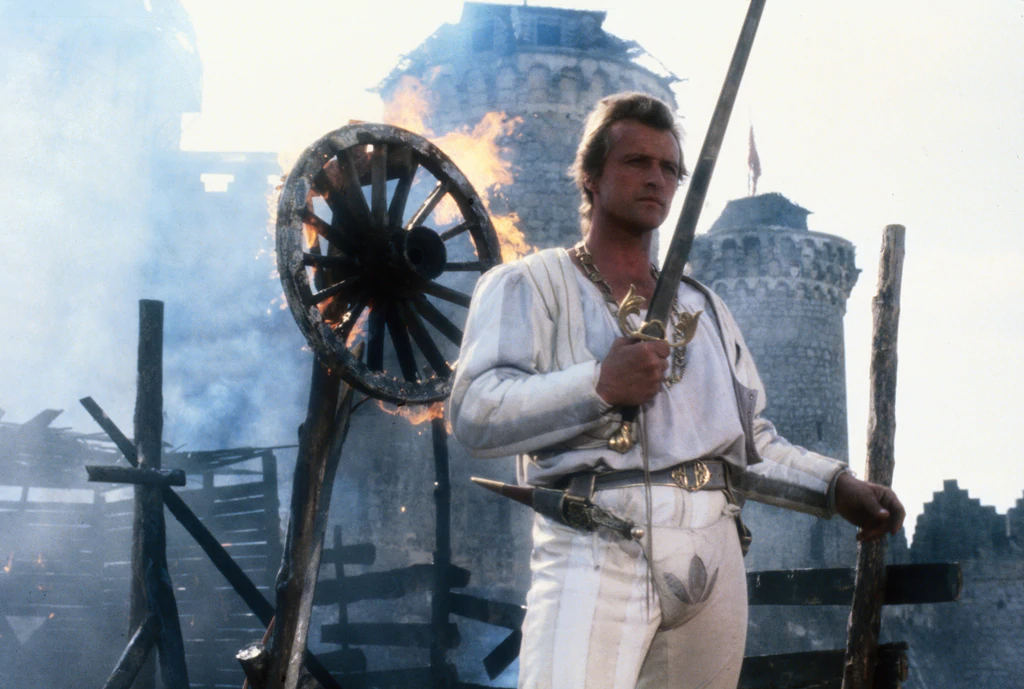
Pendant sa période hollandaise, Paul Verhoeven a réalisé bon nombre de films avec son comparse Gerard Soeteman. Le réalisateur et le scénariste partagent une vision assez pessimiste de l’humanité, qui nous dépeint comme des êtres primitifs à peine évolués et en proie constante au fascisme. Ils ont aussi en commun une passion pour l’Histoire et …
Lire la suite
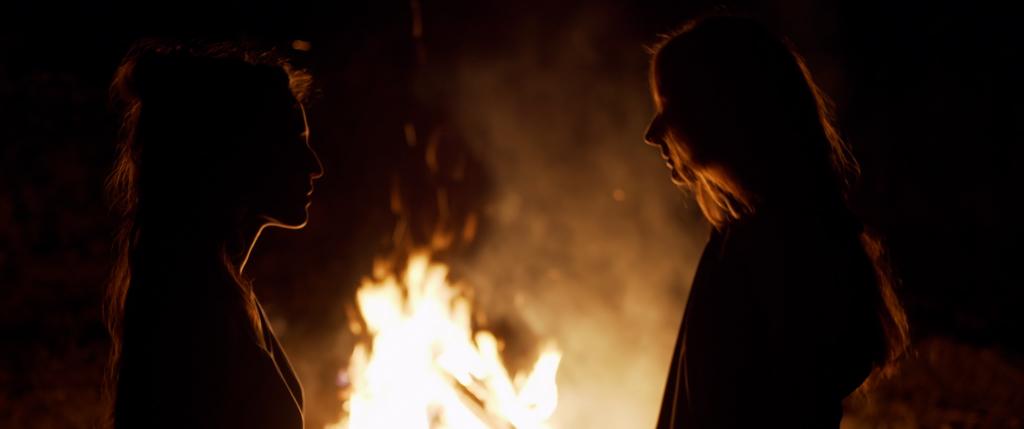
Lors du confinement dû au covid, trois femmes se débattent avec les contraintes. Mado est une mère de famille qui doit subir les excès hygiénistes de son mari. Mili est une jeune femme en couple qui ne peut pas faire le deuil de sa mère de cœur. Enfin, Baza voit ses projets professionnels anéantis. Lorsqu’elles …
Lire la suite
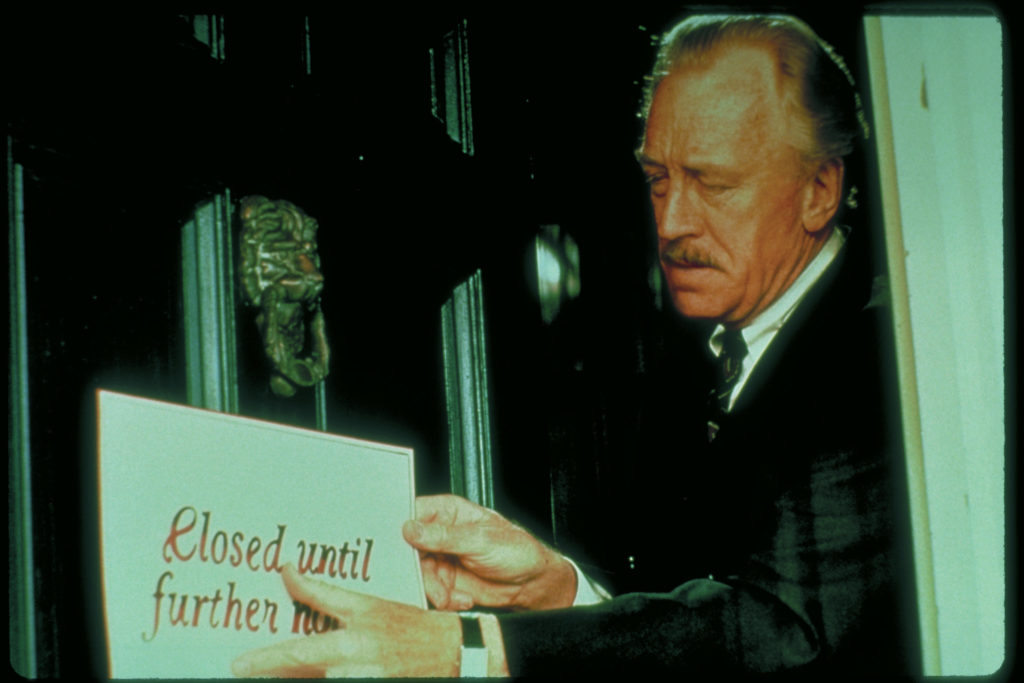
Dans la petite ville de Castle Rock, dans l’état du Maine, s’installe l’antiquaire Leland Gaunt. Alors que les habitants défilent chez lui pour faire connaissance, il propose à chacun un objet fétiche. Leurs yeux se mettent à briller et l’affaire est dans le sac pour une somme dérisoire… Accompagnée d’un petit service à rendre. Les …
Lire la suite
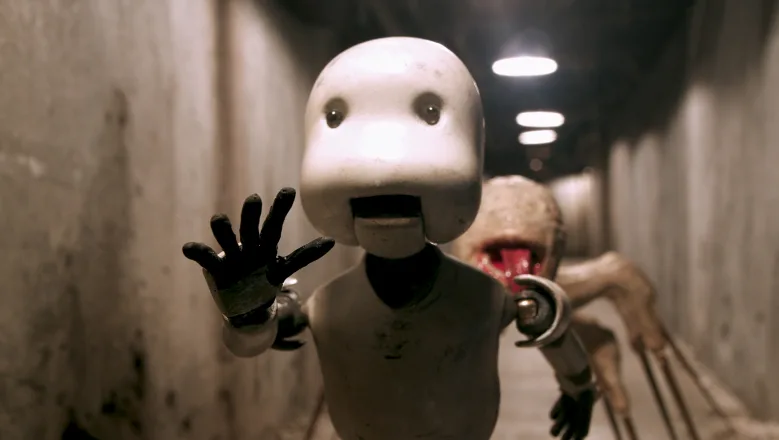
Cette année, Last night in Soho ouvrait le bal. Dernier long-métrage d’Edgar Wright, le film évoque l’histoire d’Eloise, une jeune femme anglaise passionnée par la mode qui parvient à revenir dans le Londres des années 1960 où elle rencontre Sandie. Passé et présent se mélangent dans ce thriller psychologique. Difficile d’être emballé par les derniers …
Lire la suite
Les News de l'Underground

François Gaillard, réalisateur de Last Caress et Blackaria, revient après quelques années d’absence avec un nouveau film intitulé 13 notes rouges. Le teaser dévoile une imagerie eighties issue du giallo et il promet un délire visuel assez intense avec grand guignol, érotisme kitsch et meurtres sordides. Le film sera présenté au Sadique-master festival du 22 …
Lire la suite
Court-métrage en ligne
NEWSLETTER
Eh bien lisez maintenant !
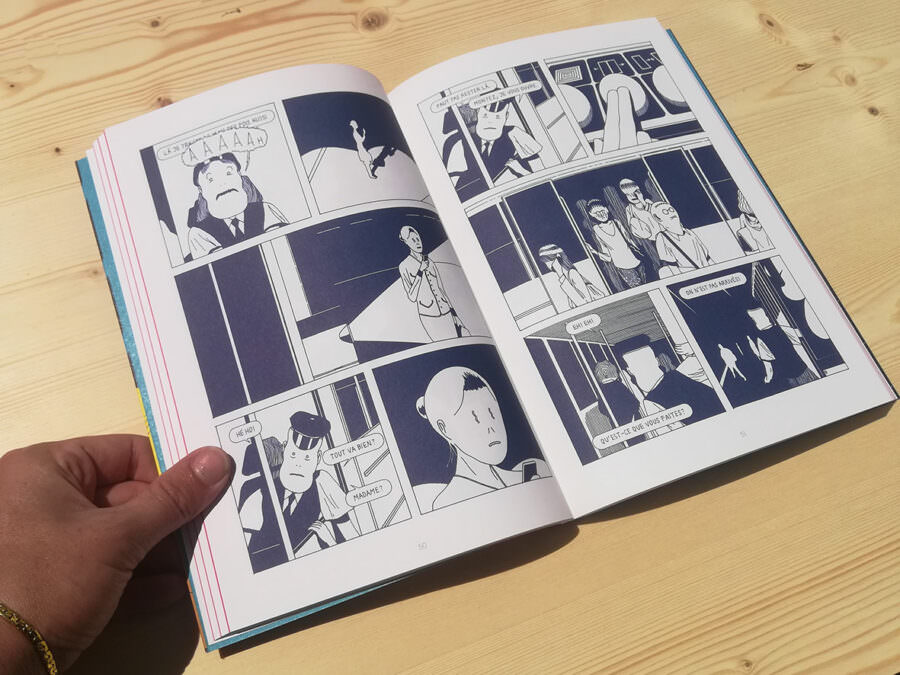
Citéville et Citéruine forment un diptyque composé de deux bandes-dessinées symétriques, parues chez deux éditeurs différents. Citéville est une dystopie absurde, aussi triste que drôle. A travers différentes histoires courtes, l’auteur s’amuse à dépecer les rouages de notre société. Ainsi, il imagine que l’on puisse “divorcer” de ses enfants quand on en a marre d’eux, …
Lire la suite

De cette œuvre, on retiendra l’hystérie permanente et collective qui règne tout du long sur le récit. Dès le début, ça commence par un conflit et ça ne s’arrêtera pas, au point que l’on ressortira lessivé de la lecture. Le jeune Shô est au CM2. Sa mère le gronde car il n’est pas capable de …
Lire la suite

Blame est avant tout une expérience visuelle viscérale. Toi qui cherche un beau récit construit avec une logique minutieuse, passe ton chemin ! La première réaction après lecture de l’œuvre est : “on ne comprend rien”. Mais comprendre n’est ici pas très important. Killee est une sorte de soldat mutique. Il semble à la recherche …
Lire la suite

Docteur en lettres modernes et en études cinématographiques, Fabien Demangeot s’attaque à la carrière chargée et hétéroclite de David Cronenberg. L’amateur de bizarreries connaît sans doute déjà bien le cinéaste et les nombreuses analyses sur son travail mais il sera surpris de trouver ici une synthèse claire et une approche originale. En effet, cet essai …
Lire la suite
Certifié Cinétrange

Sarah, une adolescente, doit s’occuper de son petit frère le temps d’une soirée où ses parents sortent. De rage, elle fait le souhait que le bambin soit emmené par le roi des Gobelins. Ce qui finit par arriver. Regrettant aussitôt son geste, elle est projetée dans le labyrinthe, un univers de fantasy, peuplé de créatures …
Lire la suite
Edito, humeur, bazar
Bouquins Voyage au phare de Virginia Woolf Les Années d’Annie Ernaux Runaway d’Alice Munro Le Berceau des Dominations de Dorothée Dussy Flims Les Rivières de Mai Hua Petite Maman de Céline Sciamma Les Mitchell contre les machines de Michael Rianda et Jeff Rowe Série télé Ted Lasso saison 1 Jeux Vidéo Hadès Musique David Munnelly + …
Lire la suite